Examples
21catalogued
21shown
2linked
31known in all,,
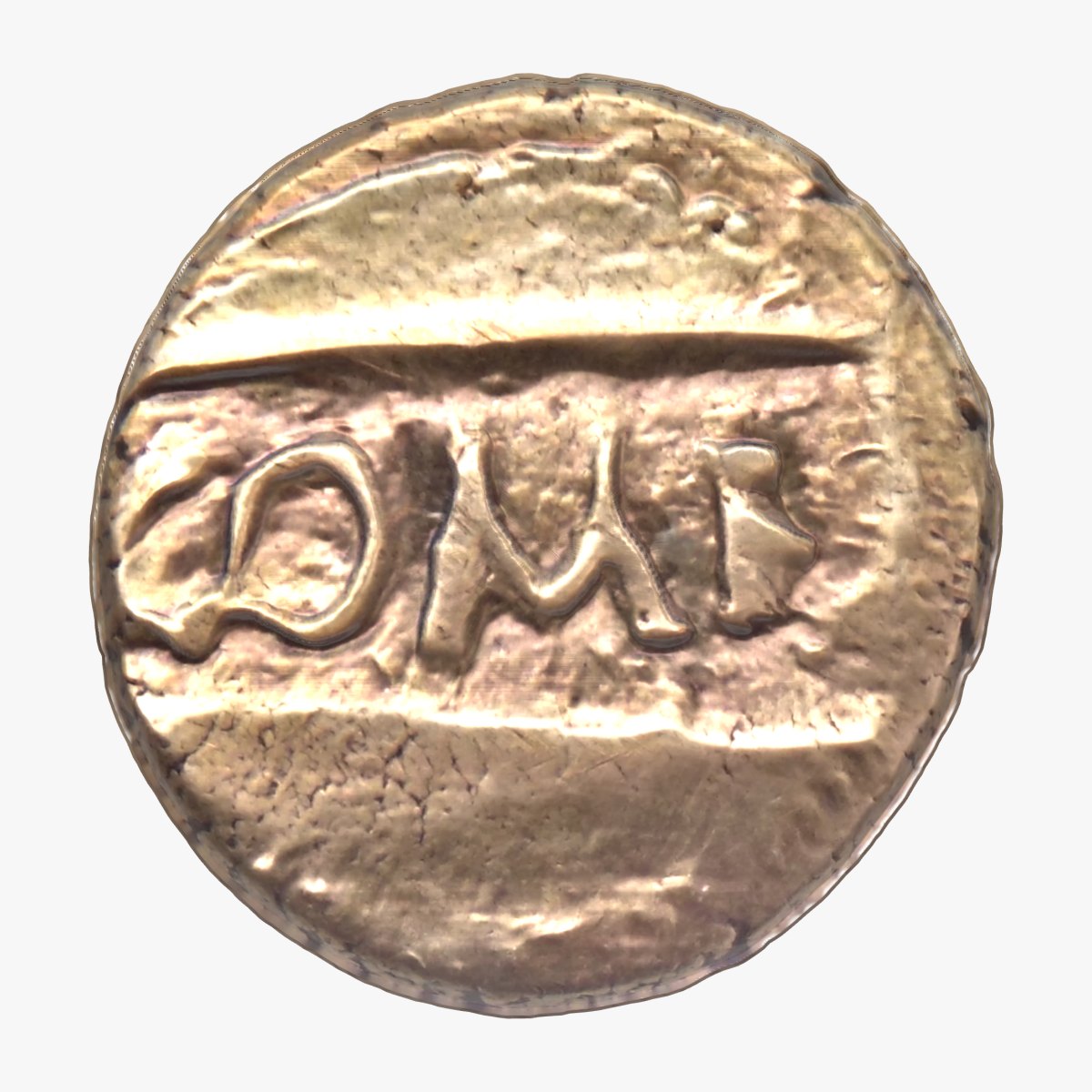
FeaturedPAS 8015661.3 g · 9.69 mmPhoto: Sussex Archaeological Society, Alex Bliss / The Portable Antiquities Scheme, via Wikimedia CommonsCC BY 2.0 For members
PAS 3176211.22 g · West SussexPhoto: Oxford University & The Portable Antiquities Scheme (Celtic Coin Index), via Wikimedia CommonsCC BY-SA 4.0 · crop shared under the same licence PAS 317730Photo: Oxford University & The Portable Antiquities Scheme (Celtic Coin Index), via Wikimedia CommonsCC BY-SA 2.0 · crop shared under the same licence PAS 3177491.19 gPhoto: Oxford University & The Portable Antiquities Scheme (Celtic Coin Index), via Wikimedia CommonsCC BY-SA 2.0 · crop shared under the same licence PAS 3178981.19 g · SurreyPhoto: Oxford University & The Portable Antiquities Scheme (Celtic Coin Index), via Wikimedia CommonsCC BY-SA 4.0 · crop shared under the same licence PAS 3179580.61 g · HampshirePhoto: Oxford University & The Portable Antiquities Scheme (Celtic Coin Index), via Wikimedia CommonsCC BY-SA 2.0 · crop shared under the same licence PAS 318365Photo: Oxford University & The Portable Antiquities Scheme (Celtic Coin Index), via Wikimedia CommonsCC BY-SA 2.0 · crop shared under the same licence PAS 3185491.04 gPhoto: Oxford University & The Portable Antiquities Scheme (Celtic Coin Index), via Wikimedia CommonsCC BY-SA 4.0 · crop shared under the same licence PAS 3185501.04 gPhoto: Oxford University & The Portable Antiquities Scheme (Celtic Coin Index), via Wikimedia CommonsCC BY-SA 2.0 · crop shared under the same licence PAS 3186330.95 g · West SussexPhoto: Oxford University & The Portable Antiquities Scheme (Celtic Coin Index), via Wikimedia CommonsCC BY-SA 2.0 · crop shared under the same licence PAS 3186341 g · West SussexPhoto: Oxford University & The Portable Antiquities Scheme (Celtic Coin Index), via Wikimedia CommonsCC BY-SA 2.0 · crop shared under the same licence PAS 3189590.88 g · West SussexPhoto: Oxford University & The Portable Antiquities Scheme (Celtic Coin Index), via Wikimedia CommonsCC BY-SA 2.0 · crop shared under the same licence PAS 3189601.01 g · West SussexPhoto: Oxford University & The Portable Antiquities Scheme (Celtic Coin Index), via Wikimedia CommonsCC BY-SA 2.0 · crop shared under the same licence PAS 3189611.03 g · West SussexPhoto: Oxford University & The Portable Antiquities Scheme (Celtic Coin Index), via Wikimedia CommonsCC BY-SA 2.0 · crop shared under the same licence PAS 3189621.03 g · West SussexPhoto: Oxford University & The Portable Antiquities Scheme (Celtic Coin Index), via Wikimedia CommonsCC BY-SA 2.0 · crop shared under the same licence PAS 3192110.98 gPhoto: Oxford University & The Portable Antiquities Scheme (Celtic Coin Index), via Wikimedia CommonsCC BY-SA 2.0 · crop shared under the same licence PAS 320284Photo: Oxford University & The Portable Antiquities Scheme (Celtic Coin Index), via Wikimedia CommonsCC BY-SA 2.0 · crop shared under the same licence PAS 320504Photo: Oxford University & The Portable Antiquities Scheme (Celtic Coin Index), via Wikimedia CommonsCC BY-SA 2.0 · crop shared under the same licence PAS 3212721.18 gPhoto: Oxford University & The Portable Antiquities Scheme (Celtic Coin Index), via Wikimedia CommonsCC BY-SA 4.0 · crop shared under the same licence PAS 321978Photo: Oxford University & The Portable Antiquities Scheme (Celtic Coin Index), via Wikimedia CommonsCC BY-SA 4.0 · crop shared under the same licence PAS 3222941.15 g · West SussexPhoto: Oxford University & The Portable Antiquities Scheme (Celtic Coin Index), via Wikimedia CommonsCC BY-SA 4.0 · crop shared under the same licence Free: the featured coin. Members: the other openly licensed photos.
See every photo full size, and which examples share a dieMembers
Linked examples
Ruler
Tincomarus · c. 25 BC–AD 10
Probably the British king who fled to Augustus
Tincomarus (earlier read as Tincommius, until coins with his full name were found from 1996) ruled the south of the Thames around the turn of the millennium. His coins, like this one with COM F, call him a son of Commius, the Gaulish king Caesar had set over the Atrebates. He is probably the British king whose name, broken off after 'Tim', Augustus lists among the rulers who came to him as suppliants ( 32). His coins are strikingly Roman in style.,,
Known for Probably the British king who fled to Augustus (Res Gestae 32); his coins follow Roman designs much more closely than earlier British coins.
Family and links
- Tincomarus: the ruler of this coin · on the timeline
- Commius: father, as his coins claim (COM F, for Commi filius); Commius himself is recorded by Caesar; read from coin legends (Commius recorded), · on the timeline
- Verica: successor; later king of the same people, who also calls himself son of Commius on his coins; read from coin legends · on the timeline
- Eppillus: successor; ruled the same people between Tincomarus and Verica in the modern reconstruction; one reading · on the timeline
People Atrebates and Regni: Modern names for the Iron Age peoples of southern England between the middle Thames and the Sussex coast: roughly today's Berkshire, Hampshire, Surrey, Sussex and eastern Wiltshire, with centres at Calleva (Silchester) and Noviomagus (Chichester). Catalogues treat their coins as one series.
Read more: Wikipedia: Tincomarus · Res Gestae 32 (LacusCurtius) · Iron Age Coins in Britain: ABC 1088 · PAS record 801566 (featured coin) · Tincomarus: all coins · Atrebates and Regni: all coins